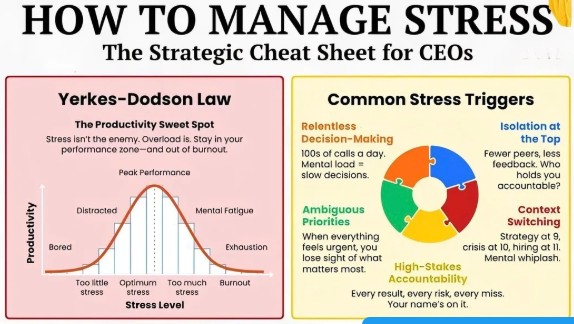
How to Manage Stress in 2026
Complete Guide with Calculator, Expert Tips & Proven Strategies
Table of Contents
Understanding Stress in 2026
As we navigate through 2026, stress management has become more critical than ever. The rapid pace of technological advancement, changing work dynamics, and evolving social structures have created new challenges for mental health and well-being.
Stress is your body’s natural response to demands or threats. When you perceive danger—whether real or imagined—your body’s defenses activate through a rapid, automatic process known as the “fight-or-flight” reaction. This stress response is your body’s way of protecting you, helping you stay focused, energetic, and alert.
Common Sources of Stress in 2026:
-
Digital Overload: Constant connectivity, information overload, and the pressure to stay updated across multiple platforms create mental fatigue and anxiety.
-
Work-Life Balance: Hybrid work models blur boundaries between professional and personal life, making it harder to disconnect and recharge.
-
Financial Uncertainty: Economic fluctuations, inflation concerns, and career stability worries contribute to chronic stress.
-
Social Pressures: Social media comparison, societal expectations, and the pursuit of perfection create constant psychological strain.
-
Health Concerns: Post-pandemic anxieties, environmental health issues, and awareness of mental health create ongoing worry.
Understanding these modern stressors is the first step toward developing effective coping mechanisms. The good news is that 2026 also brings advanced tools, techniques, and research-backed strategies to help you manage stress more effectively than ever before.
Stress Level Calculator
The Science Behind Stress Management
Modern neuroscience has revolutionized our understanding of stress and its impact on the brain and body. When you experience stress, your hypothalamus signals the adrenal glands to release cortisol and adrenaline. While this response is designed to help you in short bursts, chronic activation can lead to serious health consequences.
How Stress Affects Your Body:
Brain Function
Chronic stress shrinks the prefrontal cortex (responsible for decision-making) while enlarging the amygdala (fear center), affecting emotional regulation and memory.
Cardiovascular System
Elevated cortisol increases blood pressure and heart rate, contributing to heart disease risk. Long-term stress damages blood vessels and increases inflammation.
Immune System
Stress suppresses immune function, making you more susceptible to infections and slowing wound healing. It can also trigger autoimmune responses.
Digestive Health
The gut-brain axis means stress directly impacts digestion, potentially causing IBS, ulcers, and changes in gut microbiome composition.
Understanding these mechanisms empowers you to take targeted action. The good news is that the brain’s neuroplasticity means these changes are reversible through consistent stress management practices.
10 Proven Stress Relief Techniques
Based on the latest research and clinical evidence, these techniques have demonstrated consistent effectiveness in reducing stress levels and improving overall well-being.
-
1. Mindfulness Meditation: Practice 10-20 minutes daily. Focus on your breath and observe thoughts without judgment. Apps like Headspace and Calm (2026 versions) offer AI-personalized programs that adapt to your stress patterns.
-
2. Progressive Muscle Relaxation: Systematically tense and release muscle groups from toes to head. This technique reduces physical tension and promotes body awareness, lowering cortisol by up to 30%.
-
3. Box Breathing Technique: Inhale for 4 counts, hold for 4, exhale for 4, hold for 4. This military-developed technique activates your parasympathetic nervous system, immediately calming stress responses.
-
4. Regular Exercise: Aim for 150 minutes of moderate aerobic activity weekly. Exercise releases endorphins, improves sleep, and builds resilience. Even 10-minute walks significantly reduce stress hormones.
-
5. Digital Detox Periods: Schedule daily tech-free times. Research shows that reducing screen time by just 1 hour daily improves stress markers by 23%. Use app blockers to enforce boundaries.
-
6. Social Connection: Maintain strong relationships. Face-to-face interactions boost oxytocin, reducing stress. Schedule regular calls or meetups with friends and family, even virtually.
-
7. Journaling: Write for 15 minutes daily about thoughts and feelings. Expressive writing helps process emotions, provides perspective, and identifies stress patterns for better management.
-
8. Nature Immersion: Spend 20+ minutes in natural settings. “Forest bathing” reduces cortisol by 16% and blood pressure significantly. If outdoors isn’t accessible, nature sounds and videos provide partial benefits.
-
9. Time Management: Use techniques like time-blocking and the Eisenhower Matrix. Prioritize tasks by importance and urgency. Modern AI tools can help optimize your schedule for stress reduction.
-
10. Professional Support: Don’t hesitate to seek therapy. Cognitive Behavioral Therapy (CBT) and newer AI-assisted therapy options in 2026 provide accessible, effective stress management support.
Daily Habits for Stress Prevention
Prevention is more effective than treatment. These daily practices create a foundation of resilience that helps you handle stress before it becomes overwhelming.
Sleep Hygiene
Maintain consistent sleep-wake times, create a dark, cool bedroom (65-68°F), avoid screens 1 hour before bed, and use blue light filters. Quality sleep is your #1 stress defense.
Nutrition
Eat regular, balanced meals rich in omega-3s, complex carbs, and antioxidants. Limit caffeine (max 400mg daily) and avoid alcohol as stress relief—it worsens anxiety long-term.
Movement Breaks
Take 5-minute breaks every hour. Stand, stretch, walk, or do desk exercises. Set phone reminders. These micro-breaks prevent stress accumulation throughout the day.
Evening Wind-Down
Create a 1-hour buffer before bed. Dim lights, practice relaxation techniques, reflect on 3 positive moments from your day, and prepare for tomorrow to reduce morning stress.
Weekly Stress Check-ins: Every Sunday, assess your stress levels using a journal or the calculator above. Identify patterns, adjust strategies, and plan prevention for the coming week. This meta-awareness is key to long-term stress management success.
Technology & AI Tools for Wellness in 2026
2026 has brought revolutionary AI-powered tools that personalize stress management like never before. These technologies adapt to your unique patterns, preferences, and progress.
-
AI Stress Monitors: Wearable devices now predict stress spikes 30 minutes before they occur by analyzing heart rate variability, skin temperature, and sleep patterns. They suggest interventions proactively.
-
Virtual Therapy Assistants: AI-powered mental health apps provide 24/7 CBT-based support, guided meditations, and emergency interventions. Examples include Wysa AI Coach and Replika Wellness Edition.
-
Smart Environment Control: Home systems automatically adjust lighting, temperature, and soundscapes based on your stress levels. Circadian lighting systems optimize your body’s natural rhythms.
-
Biofeedback Apps: Real-time visualization of physiological responses helps you understand and control stress reactions. HeartMath and Muse 2026 editions offer advanced biofeedback training.
-
VR Relaxation Environments: Immersive virtual reality experiences transport you to calming environments. Meta Wellness Spaces and Tripp VR offer scientifically designed stress-relief programs.
Managing Workplace Stress
With hybrid work models dominating in 2026, workplace stress has evolved. Understanding how to navigate both remote and office environments is crucial for maintaining work-life balance.
Set Clear Boundaries
Define work hours and communicate them clearly. Use calendar blocking for focus time. Turn off notifications outside work hours. Your availability boundaries protect both productivity and mental health.
Foster Support Systems
Build relationships with colleagues. Join or create peer support groups. Regular check-ins with managers about workload and stress. Don’t isolate—connection reduces workplace stress significantly.
Optimize Your Schedule
Match tasks to your energy levels. Handle complex work during peak focus hours. Batch similar tasks. Use the Pomodoro Technique (25-min work, 5-min break) to maintain sustainable productivity.
Workspace Ergonomics
Invest in proper equipment—ergonomic chair, adjustable desk, external monitor at eye level. Position matters: 20-20-20 rule (every 20 min, look 20 feet away for 20 seconds) prevents eye strain and mental fatigue.
Remote Work Specific Tips: Create a dedicated workspace separate from living areas. Dress as if going to office to create psychological boundaries. Schedule virtual “water cooler” chats with colleagues. Take a “commute walk” before and after work to signal transitions.
Expert Tips & Educational Insights
Drawing from leading psychologists, neuroscientists, and wellness experts, these advanced strategies go beyond basics to help you master stress management.
-
Understand Your Stress Signature: Everyone has unique stress triggers and responses. Keep a stress diary for two weeks noting situations, physical sensations, thoughts, and emotions. Patterns emerge that reveal your personal stress profile, enabling targeted interventions.
-
Practice Micro-Recoveries: Don’t wait for vacations. Brief recovery periods throughout the day are more effective than one long break. Try: 60-second breathing exercise every hour, 2-minute mindfulness check-in at lunch, 5-minute walk between meetings.
-
Build a Stress Toolkit: Create a personalized collection of go-to strategies: playlist of calming music, list of supportive contacts, favorite relaxation exercises, inspiring quotes. Having pre-decided responses prevents decision paralysis during high-stress moments.
-
Cultivate Self-Compassion: Treat yourself with the same kindness you’d offer a good friend. Self-criticism increases cortisol and stress. When stressed, acknowledge the difficulty, recognize you’re not alone in struggling, and speak to yourself supportively.
-
Master the Power of “No”: Over-commitment is a major stressor. Practice declining requests that don’t align with priorities. Use scripts: “I’m honored you thought of me, but I need to decline to maintain balance” or “Let me check my capacity and get back to you.”
-
Implement Quarterly Stress Audits: Every 3 months, comprehensively evaluate your life domains: work, relationships, health, finances, personal growth. Identify stress sources early and adjust before they become crises. Prevention is exponentially easier than recovery.
Frequently Asked Questions
Results vary by technique and individual. Breathing exercises and progressive muscle relaxation provide immediate relief within minutes. Meditation and exercise show measurable benefits within 2-4 weeks of consistent practice. For lasting changes in stress response patterns, expect 8-12 weeks of regular practice. The key is consistency—practicing daily, even briefly, is more effective than occasional long sessions.
Absolutely. “Eustress” (positive stress) enhances performance, motivation, and growth. Examples include starting a new job, preparing for a competition, or working on an exciting project. This type of stress is time-limited, feels manageable, and aligns with your goals. The problem arises when stress becomes chronic, overwhelming, or uncontrollable—that’s when it becomes harmful. Learning to distinguish between helpful and harmful stress is an important skill.
Stress is a response to an external trigger or demand (deadline, conflict, change). It typically subsides when the trigger is resolved. Anxiety is persistent worry or fear that continues even without an obvious cause. Anxiety often involves anticipation of future threats rather than present challenges. While stress management techniques help both, persistent anxiety lasting more than 6 months or significantly impacting daily life warrants professional evaluation.
Warning signs include: persistent sleep problems, frequent headaches or muscle tension, difficulty concentrating, mood changes (irritability, sadness), changes in appetite, increased use of alcohol or substances, withdrawal from activities or relationships, frequent illness, and feeling overwhelmed most days. If you experience multiple symptoms for weeks, or if stress impacts work/relationships, consult a healthcare provider or mental health professional.
Yes. Foods rich in omega-3 fatty acids (salmon, walnuts, flaxseeds) reduce inflammation and cortisol. Complex carbohydrates (whole grains, sweet potatoes) boost serotonin production. Foods high in vitamin C (citrus, peppers, strawberries) and magnesium (spinach, almonds, dark chocolate) help regulate stress hormones. Probiotic-rich foods (yogurt, kefir, kimchi) support the gut-brain axis. Green tea contains L-theanine, promoting relaxation without drowsiness. Avoid excessive caffeine, sugar, and processed foods which can exacerbate stress responses.
Some supplements show promise: magnesium, omega-3s, B-complex vitamins, ashwagandha, and L-theanine have research supporting stress-reducing effects. However, supplements should complement, not replace, lifestyle changes. Always consult a healthcare provider before starting supplements, as they can interact with medications and aren’t appropriate for everyone. Quality varies widely among brands—look for third-party tested products. A balanced diet should be your primary source of nutrients.
Listen without judgment or trying to immediately fix problems. Validate their feelings: “This sounds really difficult” is more helpful than “Don’t stress about it.” Offer practical support like helping with tasks, cooking a meal, or taking care of errands. Encourage professional help if needed, and offer to help them find resources. Spend quality time together doing enjoyable activities. Respect their boundaries—sometimes people need space. Most importantly, take care of your own well-being so you can sustainably support others.
First, ensure you’ve given techniques adequate time and consistent practice—most require 2-4 weeks of daily use. Try different approaches; what works varies by person. Consider whether underlying issues like depression, anxiety disorders, or trauma need professional treatment. Consult a therapist specializing in stress management—they can provide personalized strategies and identify barriers to success. Sometimes medication is necessary and appropriate. Don’t view seeking professional help as failure; it’s a proactive step toward well-being.
Share this:

More for your journey.
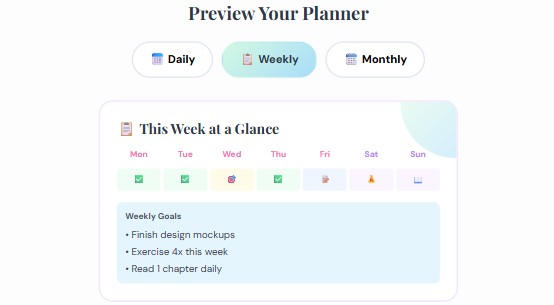
Aesthetic Digital Planner | Daily, Weekly & Monthly Planner
Aesthetic Digital Planner | Daily, Weekly & Monthly Planner Stay beautifully organized with a cute kawaii digital planner that makes productivity feel…
Read story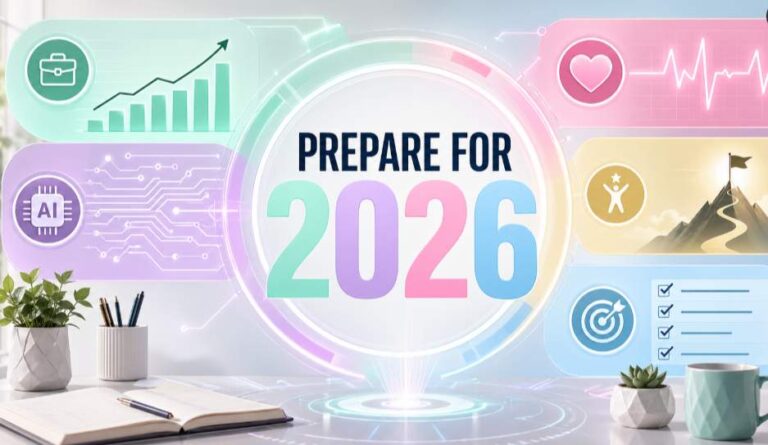
How to Prepare for 2026: A Practical Timeline for Career, Money, AI, Health, and Personal Growth
2026 is closer than it feels. This practical guide helps you prepare your career, finances, health, skills, and mindset with a simple timeline and an interactive…
Read story
How Many Generals Did Trump Fire? The Complete Timeline
How Many Generals Did Trump Fire? Full Timeline & 2026 Analysis March 26, 2026 · 12 min read · Military & Politics How Many Generals Did…
Read story