The Silent Epidemic: Loneliness in the Digital Age
In a world of infinite connections, half of us feel profoundly alone. The 2026 loneliness crisis isn’t just an emotional inconvenience—it’s a public health emergency reshaping how we live, work, and die. Here’s what the data reveals, and what you can do about it.
Calculate Your 2026 TimelineThe Scope of the Crisis
The U.S. Surgeon General didn’t mince words: loneliness carries mortality risks equivalent to smoking 15 cigarettes daily. By 2026, longitudinal data confirms what researchers feared—chronic loneliness has become the default state for nearly half of all adults in developed nations.
This isn’t mere sadness. Chronic loneliness rewires the brain’s threat-detection circuitry, elevating cortisol, suppressing immune function, and increasing cardiovascular risk by 29%. It’s a condition that compounds silently, often invisible even to those experiencing it.
The Numbers That Should Alarm You
Heart disease risk climbs 29%. Stroke risk rises 32%. Early mortality jumps 26%. These aren’t correlations—they’re causal pathways now confirmed by meta-analyses spanning millions of participants across three decades. Loneliness is not a feeling. It’s a biological state of emergency.
The Digital Paradox
We carry supercomputers in our pockets, connected to billions of humans. Yet the architecture of our digital lives is designed for engagement, not connection. Educator and commentator Jiang Xueqin describes the phenomenon as “algorithmic isolation”—the illusion of community within echo chambers that lack genuine reciprocity.
Social media’s passive consumption model—scrolling through curated highlight reels—correlates directly with increased isolation. Active, meaningful interaction can mitigate loneliness, but platform incentives push us toward passive consumption. The algorithm doesn’t care if you feel connected. It cares if you keep scrolling.
Remote Work and the Vanishing Third Place
The shift to remote and hybrid work eliminated what sociologists call “third places”—the cafés, watercoolers, and shared spaces where incidental social bonds form. Workers who proactively create social rituals report equal wellbeing to office peers. Those who don’t are falling through the cracks.
Gen Z reports the highest loneliness rates of any generation. Growing up with smartphones as primary social tools created fluency in digital communication alongside a deficit in sustained, in-person relational skills. The generation most connected is also the most alone.
Your Connection Score
Answer 6 quick questions. No data collected—results are instant and private.
Preparing for 2026: 5 Strategies
The uncertainty ahead—geopolitical shifts, economic volatility, technological disruption—will test our social resilience. Here’s how to build yours now.
Watch: Understanding the Crisis
This essential exploration reveals the mechanisms behind our growing disconnection and offers a framework for reclaiming human bonds.
Explore More from AestheticLife
Frequently Asked Questions
Share this:

More for your journey.
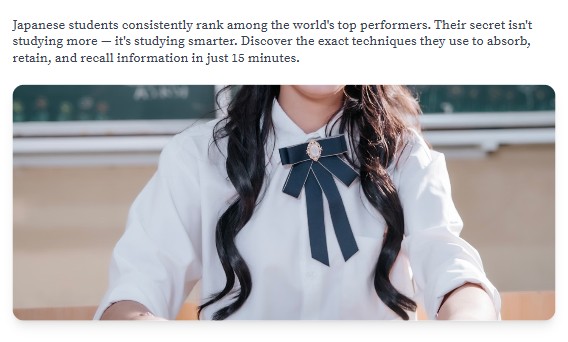
Smart Study Tips: How Japanese Students Learn Faster – 5 Powerful Techniques to Master Any Chapter in 15 Minutes
Smart Study Tips: How Japanese Students Learn Faster – 5 Powerful Techniques Smart Study Tips: How Japanese Students Learn Faster – 5 Powerful Techniques…
Read story
Soft Life Era: What It Really Means
Gaming Culture & Viral Phenomena Soft Life Era: What It Really Means The "Gugu Gaga" Penguin Girl meme from Arknights: Endfield has transcended gaming to…
Read story
From Main Character to Viral Sensation: The Rise of Arknights: Endfield’s “Gugu Gaga” Penguin Meme
From Main Character to Viral Sensation: The Rise of Arknights: Endfield's "Gugu Gaga" Penguin Meme Arknights: Endfield · Viral Culture · 2025 From Main…
Read story